Hiring a pest professional in Sydney is not just about price or speed. It is about whether they can legally and safely use chemicals, protect residents, and meet NSW standards.
This guide explains the certifications, licences, and training a Sydney pest control service provider should hold, plus what clients can ask for before booking.
What is the minimum legal certification for pest technicians in NSW?
At a minimum, they should hold a recognised pest management qualification that supports their work in NSW. For most technicians, this is a Certificate III-level pest management qualification (or a current equivalent) that covers inspection, treatment, and safety.
A reputable pest control service Sydney provider should be able to name the exact qualification and show evidence on request.
Do they need an NSW pesticide licence (or equivalent authority) to treat pests?
Yes, in NSW they typically need authorisation to use pesticides as part of their role, especially for commercial-grade products. Their authority may be evidenced through licensing or accreditation arrangements depending on the product type and work setting.
A pest control service Sydney provider should clearly explain what authorisation their technicians operate under and which products they are permitted to apply.
Should they be trained in chemical handling and safety (WHS)?
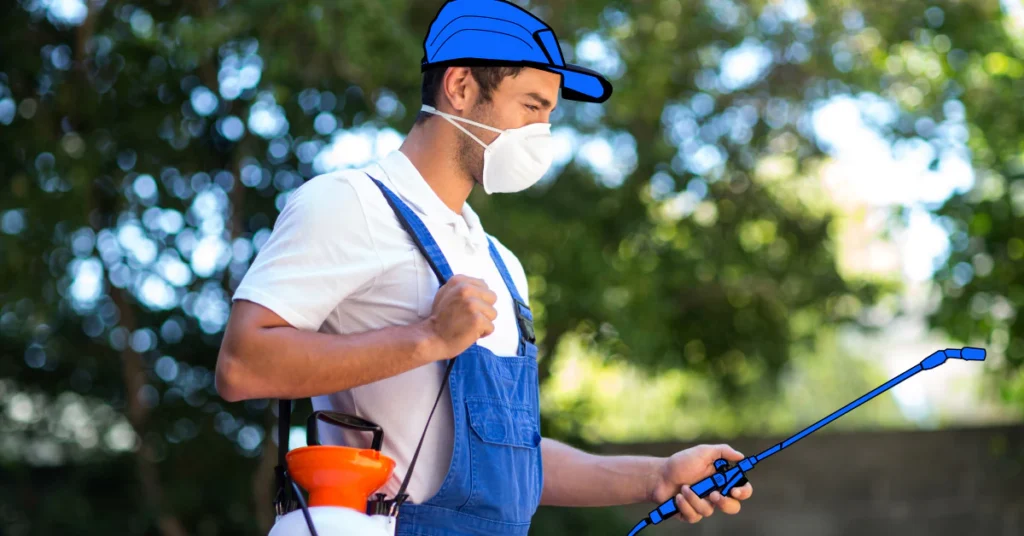
Yes, they should have current safety training that matches how pesticides and equipment are stored, transported, mixed, and applied. This includes understanding labels, Safety Data Sheets, PPE, and spill response.
Any pest control service Sydney provider working in homes, strata, or workplaces should also follow NSW Work Health and Safety requirements and have procedures they can describe simply.
What does “AQF pest management qualification” mean in practice?
It means the training is nationally recognised under the Australian Qualifications Framework. In practical terms, it covers pest identification, treatment selection, safe chemical use, risk management, and customer communication.
When comparing options, clients can ask which AQF qualification their pest control service Sydney technicians completed and when they last undertook refresher training.
Should a Sydney provider hold a termite-specific qualification?
Yes, if they offer termite inspections, termite management, baiting systems, or pre-purchase timber pest reports. Termites are specialised work, and experience alone is not enough without the right training.
A pest control service Sydney provider should be able to show they are trained in timber pest detection, Australian Standards awareness, and treatment methods suited to Sydney’s housing stock and climate.
Do they need to follow Australian Standards for termite work and inspections?
Yes, and they should be familiar with the standards commonly relied on for termite inspection and management work in Australia. These standards guide inspection scope, reporting, risk factors, and treatment considerations.
A pest control service Sydney provider should be comfortable explaining what their inspection includes, what it excludes, and how the report aligns with Australian expectations.
Are there specific certifications for fumigation work?
Yes, fumigation is higher risk and typically requires additional competencies beyond general pest treatments. Not every operator is trained or authorised to fumigate, and not every job should be fumigated.
If they offer fumigation, a pest control service Sydney provider should confirm the specific fumigation training held, the gases or methods used, and how they manage clearance, monitoring, and occupant safety.
Should they be certified for working at heights, roof voids, or confined spaces?
Often, yes, depending on the job. Roof void inspections, subfloor access, and commercial sites can involve confined spaces, ladders, and fall risks.
A careful pest control service Sydney provider will not guess. They will confirm site risks upfront and ensure their technicians have the right high-risk training where required.
What insurance should accompany certifications?
They should hold current public liability insurance, and many also carry professional indemnity insurance, especially when issuing inspection reports. Insurance is not a certification, but it is a practical signal that they take responsibility seriously.
When booking a pest control service Sydney business for termites or strata work, clients can ask for a certificate of currency.
Do they need a pest control business licence, or is the technician’s credential enough?
It depends on the structure of the business, but clients should not assume the company is compliant just because a technician is experienced. A legitimate operation should be properly set up to trade, supervise technicians, and manage records.
A pest control service Sydney provider should clearly state who is responsible for compliance, training, and chemical governance within the business.
Are memberships like AEPMA required, and do they matter?
Memberships are not mandatory, but they can be useful. Industry associations often encourage better training, codes of practice, and dispute pathways.
If they claim membership, a pest control service Sydney provider should be willing to share their membership details and what standards or codes they commit to through that membership.
Should technicians have ongoing professional development (CPD)?
Yes, because products, regulations, and pest behaviour change. Ongoing training can include updates on baiting systems, resistance issues, safety controls, and new treatment methods.
A strong pest control service Sydney provider will talk about refreshers and toolbox training as a normal part of operations, not as an optional extra.
What documentation should they provide after treatment?
They should provide a written service report that lists the treated areas, target pests, products used (where appropriate), safety directions, re-entry guidance, and follow-up recommendations. For termites, they should provide inspection findings, risk factors, and a clear management plan.
A professional pest control service Sydney provider treats documentation as part of the job, not an afterthought.
How can clients verify certifications quickly before booking?
They can ask for the technician’s qualification details, evidence of pesticide use authority, and proof of insurance, then cross-check names and dates. They can also look for clear explanations in quotes and service agreements, not vague marketing claims.
If a pest control service Sydney provider avoids direct answers, that is a practical sign to keep looking.
What red flags suggest a provider may not be properly certified?
Common red flags include refusing to share credentials, using unlabelled chemicals, offering unrealistically cheap quotes without inspection, or promising guaranteed results for every pest without explaining limits. Poor reporting and no safety guidance are also warning signs.
A trustworthy pest control service Sydney provider should be transparent, specific, and consistent in their paperwork and advice.
What should be different for strata, childcare, and food premises in Sydney?
Higher-risk sites usually require tighter compliance, communication, and recordkeeping. They should be comfortable with site-specific risk plans, after-hours work, occupant notices, and audit-friendly reporting.
For these environments, a pest control service Sydney provider should explain how they minimise chemical exposure, manage sensitive areas, and keep documentation suitable for strata managers or council-facing businesses.
What questions should clients ask a Sydney pest provider before agreeing to a treatment?
They should ask: What qualifications do their technicians hold? What authority do they have to use the proposed pesticides? What products will be used and what are the safety steps? Will they provide a written report? What are the limitations and follow-up options?
These questions help ensure the pest control service Sydney provider is qualified, accountable, and safe to have on site.
What is the simplest checklist to use when choosing a provider?
They should confirm three things first: recognised pest management training, legal authority for pesticide use, and current insurance. Then they should check termite-specific capability if termites are involved, plus reporting quality and safety processes.
Using that checklist makes it far easier to choose a pest control service Sydney provider that is compliant, credible, and suitable for Sydney homes and businesses.
More to Read : What Does Pest Control Blue Mountains Pricing Usually Include?